Propolis Benefits: A Comprehensive Guide
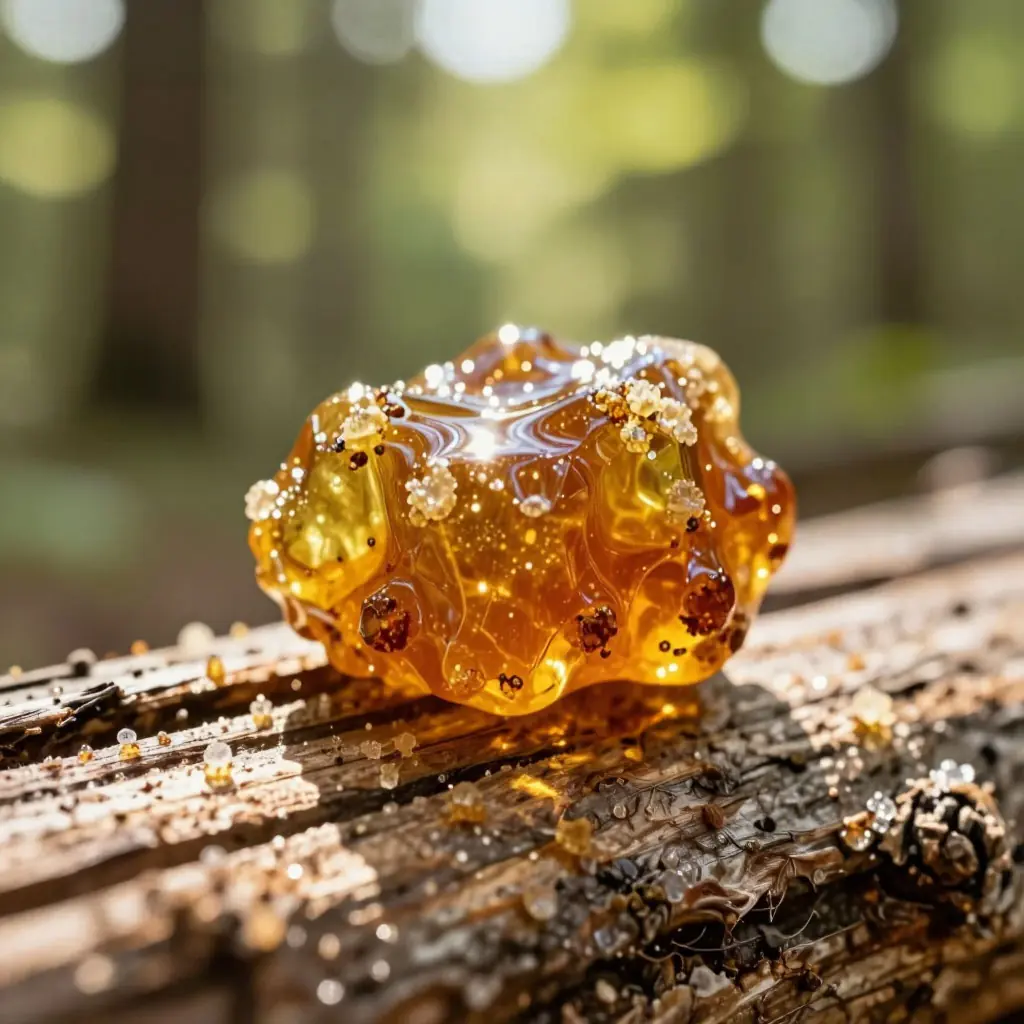
Trying to find a supplement that actually works feels like a full-time job (and a confusing one at that). If you’re looking into propolis benefits, you’ve likely realized it’s more than just “bee glue”—it’s a complex biochemical shield that bees have used for millions of years to protect their colonies. When you start researching propolis benefits, you see it’s a resinous mixture that honeybees collect from tree buds and sap flows, used to seal gaps in the hive and provide antimicrobial protection.
What is Propolis?
Before you start adding it to your morning smoothie or skincare routine, you’ve got to understand what this sticky substance actually is. It’s not honey, and it’s definitely not pollen. It’s a highly sophisticated defense mechanism that varies in color and potency depending on which trees the bees are visiting, which ultimately dictates the specific propolis benefits you’ll receive.
Propolis is not honey; it is a biochemical shield of resins and salivary enzymes.
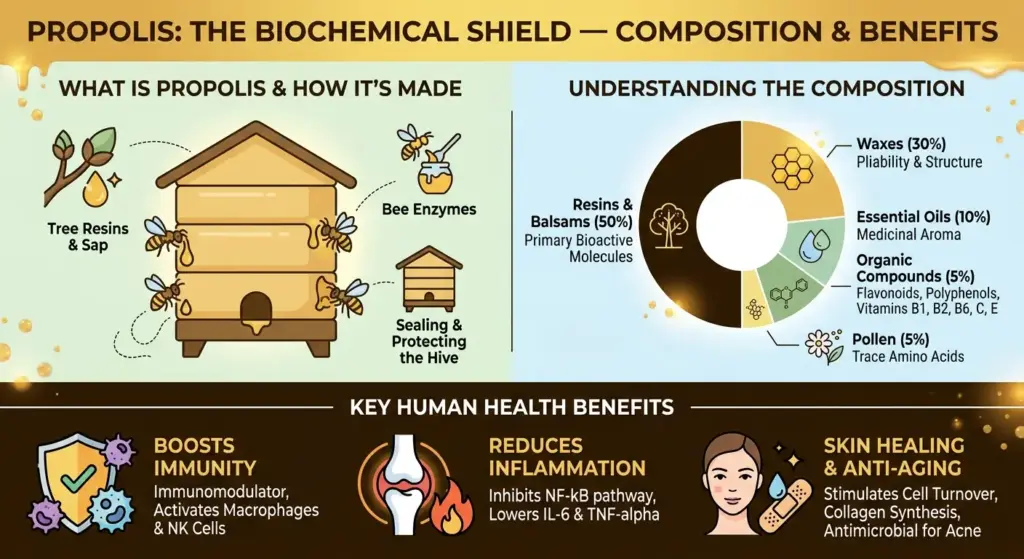
Understanding the Composition of Propolis
- Resins and vegetable balsams (50%): These provide the structural “glue” and carry the primary bioactive molecules.
- Waxes (30%): Bees add their own wax to make the substance pliable at hive temperatures (around 35°C).
- Essential oils (10%): These give propolis its distinct, often medicinal or “piney” aroma.
- Pollen (5%): Trapped during the collection process, adding trace amino acids.
- Organic compounds (5%): This is where the magic happens, including polyphenols, flavonoids, and various vitamins (B1, B2, B6, C, and E).
How Bees Produce Propolis
The production starts when “scout” bees identify specific botanical sources, usually poplars, conifers, or birches. They use their mandibles to scrape off the resin, mix it with a bit of wax and their own salivary enzymes, and pack it into their pollen baskets. Once back at the hive, they don’t just dump it; other bees help unload the sticky mass and apply it to the hive walls. This creates a “sterile” environment where the internal temperature stays constant and bacteria can’t thrive, allowing the propolis benefits to protect the entire brood.
Historical Uses of Propolis
Humans haven’t just discovered this. Ancient civilizations were quite obsessed with it. The Egyptians used propolis for embalming because they noticed it stopped organic decay (yes, really). Greeks and Romans used it as a “disinfectant” for sores and skin infections. In the 17th century, it was even listed in London pharmacopoeias as an official medicine. Aristotle himself supposedly coined the term, which literally means “before the city,” referring to its role in defending the hive “city.”
General Health Benefits of Propolis
It’s one thing to seal a hive, but how does that translate to your body? The transition from “bee glue” to “human supplement” relies on the way these resins interact with our cellular pathways. Most people start taking it for one specific reason but find that the range of propolis benefits supports multiple systems at once.
Boosting the Immune System
Propolis doesn’t just “turn on” the immune system; it acts as an immunomodulator. This means it helps balance the response so your body doesn’t overreact or underreact. When we evaluate propolis benefits in a clinical setting, research suggests it can increase the activity of macrophages and natural killer (NK) cells by 15-25% in certain contexts. It’s particularly useful during the change of seasons when your body is more susceptible to viral loads.
Propolis does not boost immunity; it modulates immune response to prevent systemic overreaction.
Anti-Inflammatory Properties
Chronic inflammation is the root of most modern health issues. Propolis contains caffeic acid phenethyl ester (CAPE), which is a powerhouse at inhibiting the NF-kB pathway—the “master switch” for inflammation in the body. Whether it’s joint pain or systemic inflammation, these compounds help lower the production of pro-inflammatory cytokines like IL-6 and TNF-alpha.
Always check for a “Standardized Extract” label; you want at least 3-5% total flavonoids to ensure the anti-inflammatory properties are actually present in the bottle.
Antioxidant Effects
Think of propolis as a cleanup crew for oxidative stress. It has an incredibly high Oxygen Radical Absorbance Capacity (ORAC) score. By neutralizing free radicals, it protects your DNA from damage. This is why many people call it an “internal sunscreen” or an anti-aging supplement from the inside out, maximizing the propolis benefits for cellular health and longevity.
| Type | Primary Source | Key Benefit | Typical Cost (30ml) |
| Brown Propolis | Poplar/Conifers | General Immunity | $12 – $20 |
| Green Propolis | Baccharis dracunculifolia | High Artepillin C (Antitumor) | $25 – $45 |
| Red Propolis | Dalbergia ecastaphyllum | Highest Antioxidant levels | $35 – $60 |
While propolis acts as the hive’s protective shield, you can further enhance your vitality by combining it with other potent bee products; for instance, you might want to discover the benefits of fresh royal jelly made in USA to supercharge your nutrient intake and hormonal balance.

Bee Propolis Benefits for Female Health
When we talk about bee propolis benefits for female wellness, we’re looking at a very specific intersection of hormonal regulation and reproductive support. Women’s bodies face unique inflammatory challenges, and propolis seems to have a particular affinity for these tissues. Many women are now integrating this into their routines to see these bee propolis benefits for female hormonal cycles firsthand.
Propolis and Hormonal Balance
Propolis is not hormone replacement; it modulates estrogen receptors to reduce hormonal dominance. It can bind to estrogen receptors, potentially helping to modulate the “estrogen dominance” that many women face in their 30s and 40s. This isn’t a total hormone replacement, but rather a way to smooth out the hormonal spikes that cause mood swings and bloating, which is a key part of bee propolis benefits for female health.
Supporting Reproductive Health
One of the most exciting areas of research involves endometriosis and fertility. Because endometriosis is an inflammatory condition, the anti-inflammatory compounds in propolis can help manage the pain, contributing to the overall bee propolis benefits for female fertility.
“Propolis has shown significant potential in improving fertility rates in women with endometriosis, likely due to its ability to reduce oxidative stress in the peritoneal environment.” — Dr. Sarah Brewer, Medical Director and Author.
Propolis During Menopause
Menopause brings a sharp decline in antioxidant defenses. Propolis helps bridge that gap. Some studies indicate that it can help reduce the frequency of hot flashes by up to 30% when taken consistently over 12 weeks, making bee propolis benefits for female wellness essential during this transition. It also supports bone density, which becomes a major concern as estrogen levels dip, further proving the value of bee propolis benefits for female users in their later years.
Here is a short video explaining how bee products interact with the female reproductive system:
Propolis Benefits for Skin
You’ve probably noticed “Cica” or “Propolis” appearing on every third bottle in the skincare aisle. There’s a reason for that. The propolis benefits for skin are grounded in its ability to act as a “liquid bandage” that kills bacteria while speeding up cell turnover. If you’re dealing with a compromised barrier, you’ll find that propolis benefits for skin are almost immediate in reducing redness.
Promoting Skin Healing and Regeneration
If you have a scrape, a burn, or a picked blemish (we’ve all been there), propolis is your best friend. It stimulates the growth of new skin cells and increases collagen synthesis, reinforcing the propolis benefits for skin that has been damaged by environmental factors.
- Clean the area with mild soap and water to remove debris.
- Apply a thin layer of propolis tincture or cream (ensure it’s alcohol-free for open wounds).
- Cover lightly if the wound is in an area prone to friction.
- Reapply twice daily until the redness subsides and the skin closes.
- Monitor for irritation to ensure you don’t have a localized reaction.
Propolis acts as a liquid bandage, killing bacteria while accelerating skin cell regeneration.
Antimicrobial Effects on Acne
Acne is essentially a battle between your pores and P. acnes bacteria. Propolis is a natural antibiotic that doesn’t cause bacterial resistance. It kills the bacteria while simultaneously calming the red, angry inflammation that makes a breakout look worse than it is, which is why propolis benefits for skin are so highly regarded in dermatology. It’s a “two-birds-one-stone” situation for your face.
Propolis in Anti-Aging Skincare
As we age, our skin’s ability to repair itself slows down. Propolis provides the raw materials—minerals like magnesium and zinc—to support the skin’s structural integrity. It also inhibits the enzymes that break down collagen, effectively doubling the propolis benefits for skin elasticity and helping to keep skin “bouncy” for longer.
For facial application, never use a propolis tincture meant for internal use unless it specifically says “alcohol-free,” or you’ll risk a chemical burn on sensitive facial skin.
How to Use Propolis Safely
Just because it’s natural doesn’t mean you should dive into a vat of it without a plan. To get the most out of propolis benefits, you have to be consistent and smart about your application. Like any bioactive substance, the dose makes the medicine.
Propolis Supplements and Dosage
Most experts suggest a daily dose of 400mg to 500mg for general health. If you’re using a tincture, that’s usually about 1-2 droppers full. If you’re fighting an active cold, some practitioners suggest upping that to 1000mg for a short window of 5-7 days.
- Capsules: Best for consistent, systemic benefits.
- Tinctures: Best for sore throats or quick absorption.
- Throat Sprays: Great for travel and immediate relief of localized irritation.
Topical Applications for Skin
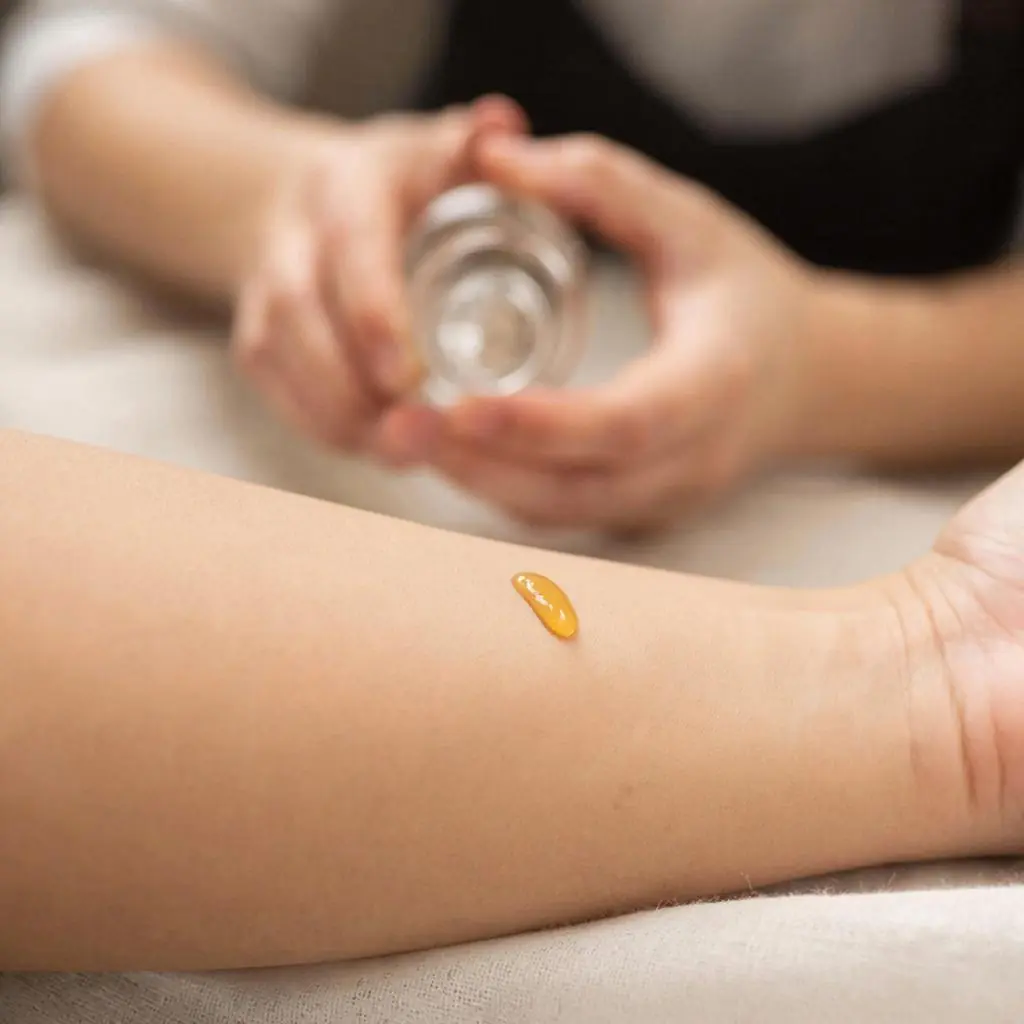
When using it topically, look for a concentration of 5% to 20%. Higher isn’t always better, as very high concentrations can be quite sticky and hard for the skin to absorb. Always do a patch test on your inner arm for 24 hours to verify the specific propolis benefits for skin on your unique biology.
Potential Side Effects and Precautions
The biggest risk is an allergic reaction. If you’re allergic to bees or bee stings, you must proceed with extreme caution.
- Allergic reactions: Can range from mild itching to swelling or even anaphylaxis (rare).
- Blood thinning: Propolis may slow blood clotting; stop use 2 weeks before any surgery.
- Pregnancy: There isn’t enough high-level data to confirm safety, so it’s usually best to avoid it or consult a doctor.
Propolis requires allergy testing; bee sting allergies indicate potential severe anaphylactic risks.
Before you start your journey with bee products, it is crucial to ensure your body’s bio-compatibility. We have developed a professional-grade Propolis Protocol to help you navigate allergy testing and dose titration without the guesswork.
Scientific Research on Propolis
We’ve moved past folk medicine into real, peer-reviewed data. The last few years have seen a surge in interest as researchers look for alternatives to synthetic antibiotics and expanding our understanding of bee propolis benefits for female patients.
Recent Studies and Findings
A significant study by Silveira et al. (2021) in Brazil investigated the use of standardized green propolis extract in hospitalized COVID-19 patients. They found that patients receiving 400mg/day had a significantly shorter hospital stay (7 days vs 12 days) compared to the control group. Another study published by Mohammad Ali et al. (2022) demonstrated that a 10% propolis ointment was as effective as conventional pharmaceutical creams for treating second-degree burns. Finally, a 2023 study highlighted how propolis could reduce inflammatory markers in the uterine lining, further expanding the known propolis benefits.
Gaps in Propolis Research
Despite the wins, we still don’t have a “global standard.” Because propolis changes based on what the bees eat, it’s hard for scientists to replicate results exactly between a study in Brazil and a study in Russia. We need more large-scale human trials to determine the absolute “gold standard” dose for specific diseases.
Future Directions for Propolis Studies
The next frontier is likely “Nano-propolis.” Scientists are looking at ways to wrap propolis molecules in tiny fat bubbles (liposomes) to make them 10x more absorbable. There is also growing interest in using it as a coating for medical implants to prevent hospital-acquired infections.
Unique Uses and Applications of Propolis
Beyond just swallowing a pill, this substance is incredibly versatile. It’s finding its way into specialized fields that you might not expect.
Propolis in Oral Health
Your dentist might actually be a fan. Propolis is excellent at fighting plaque and gingivitis.
“The antibacterial properties of propolis make it a formidable opponent against Streptococcus mutans, the primary bacteria responsible for tooth decay.” — Dr. Ray G. Snider, DDS.
Using Propolis in DIY Products
Many people are making their own salves. You can mix a few drops of propolis tincture into your favorite moisturizer or a bit of coconut oil. It acts as a natural preservative, keeping your DIY creations fresher for longer.
Propolis in Veterinary Medicine
It’s not just for humans! Vets are starting to use propolis for pets with chronic skin allergies or ear infections. Never give a pet a propolis tincture containing alcohol; always use an aqueous (water-based) extract to avoid toxicity.
Take a look at the in-depth analysis of scientific data on the composition and effect of propolis:
FAQ
Can I take propolis every day?
Yes, but it’s often better to “pulse” it—take it for 3 weeks and then take a week off to keep your immune system from becoming too accustomed to the stimulation.
Is propolis safe for children?
No, unless they are over the age of two and have no history of asthma or bee allergies. Always check with a pediatrician first.
Does propolis expire?
Yes, but it has a very long shelf life. Raw propolis can last for years, but most commercial tinctures are best used within 2 years of the manufacture date.
Can it replace my antibiotic prescription?
No, unless your doctor explicitly says so. While it has antibacterial properties, it shouldn’t be used to treat a serious, acute infection in place of prescribed medication.
Will it stain my clothes?
Yes, definitely. Propolis is a resin and is incredibly difficult to get out of fabric. Be careful when handling tinctures!
So, after looking at all the evidence, are you ready to see what the bees have been up to?
Sources
- Silveira, M. A., et al. (2021). “Efficacy of Brazilian Green Propolis (EPP-AF) in patients hospitalized with COVID-19.”
- Mohammad Ali, R., et al. (2022). “Propolis vs. Silver Sulfadiazine in Burn Wound Healing.”
- El-Gayar, S., et al. (2022). “Impact of Propolis on Polycystic Ovary Syndrome.”
- Kim, J., et al. (2023). “Immunomodulatory effects of propolis.”