Royal Jelly for Skin Whitening
Dark spots can hang around for months, and chasing every new brightening cream gets expensive fast. If you’re curious about royal jelly for skin whitening, you probably want something gentler that still supports smoother, clearer-looking skin. The catch is simple: natural doesn’t always mean predictable, and using the wrong product can waste time or irritate your face. What matters most is understanding mechanism, antioxidants, application, and realistic before-and-after expectations. That’s how you decide whether this ingredient belongs in your routine in 2026.
Understanding Royal Jelly and Its Benefits for Skin
This section covers the basics first, because skin care gets messy when you skip fundamentals. You’ll see what royal jelly is, what’s inside it, and why people connect it with brighter, healthier-looking skin.
Curious about what makes royal jelly for skin whitening so unique? This video breaks down its rich nutrient profile and explains how it supports overall skin health, forming the foundation for achieving a more radiant and even-toned complexion.
What is Royal Jelly?
Royal jelly is a nutrient-dense substance made by worker bees to feed queen larvae. It contains water, proteins, sugars, lipids, vitamins, minerals, and unique fatty acids such as 10-HDA. In skin care, people usually use it in creams, masks, serums, or fresh blends. When readers search for royal jelly for skin whitening, they’re usually not asking whether it bleaches skin overnight—they’re asking whether it may help dullness, uneven tone, and post-acne marks look less obvious over time.
The American Academy of Dermatology emphasizes that there is no universal solution for skin concerns, as factors like skin tone, sensitivity, and triggers for pigmentation vary greatly from person to person. This is why pure royal jelly for skin whitening should be viewed as one potential tool, not a guaranteed fix for everyone.
That line fits here. Skin tone goals, sensitivity, and pigmentation triggers vary a lot, so pure royal jelly for skin whitening should be treated as one tool, not a universal fix.
Nutritional Composition of Royal Jelly
The interesting part isn’t just that royal jelly is “natural.” It’s that its composition gives it several skin-support angles at once.
- Proteins and peptides: These may support the skin barrier and help the surface feel smoother, which can make tone look more even.
- 10-HDA fatty acid: This signature royal jelly compound is often discussed in research for its bioactive effects and possible role in melanogenesis-related pathways.
- Antioxidant compounds: These may help reduce oxidative stress, a known contributor to visible skin dullness and unevenness.
- Trace vitamins and minerals: They don’t turn royal jelly into a miracle cream, but they do add nourishment that dry or tired skin often appreciates.
General Benefits of Royal Jelly for Skin Health
Skin whitening isn’t the only reason people try it. Royal jelly may also support hydration, softness, and recovery of stressed-looking skin. A 2023 study published in the Journal of Tissue Viability found that oral royal jelly increased PDGF-β expression and improved collagen synthesis, epithelial formation, and new blood vessel formation in a mouse skin-wound model. That isn’t the same as proving cosmetic brightening in humans, but it does suggest that royal jelly has biological activity relevant to skin repair.
If your skin is irritated, inflamed, or over-exfoliated, chasing a lighter tone usually backfires. Calm skin first; brighter-looking skin often follows.
How Royal Jelly Works for Skin Whitening
Now for the real question: what could royal jelly actually do for discoloration? This part looks at pigment pathways, antioxidant support, and what science says without pretending the evidence is stronger than it is.
Mechanism of Skin Whitening
Most brightening ingredients work by interrupting excess melanin production, speeding up turnover, limiting inflammation, or all three. Royal jelly appears most promising in the first two areas. Some of its compounds may influence melanogenesis, which is the process that creates pigment. So royal jelly for skin whitening may help by softening the look of uneven tone rather than stripping pigment from healthy skin.
A 2017 study indexed on PubMed investigated 10-hydroxy-2-decenoic acid (10-HDA), a key fatty acid in royal jelly. The research demonstrated its anti-melanogenic and depigmenting activity in a laboratory model using mouse melanoma cells, suggesting a mechanism by which it could potentially support a more even skin tone. Animal and lab findings aren’t a guarantee for your bathroom mirror, but they explain why this ingredient gets attention.
Role of Antioxidants in Skin Lightening
Oxidative stress can push skin toward inflammation, dullness, and stubborn post-inflammatory marks. Antioxidants help by reducing some of that damage load. That’s why ingredients like vitamin C keep showing up in dermatology conversations.
Skin care products with antioxidants like vitamin C can help protect skin from environmental damage. It can help brighten skin tone and reduce the appearance of dark spots by inhibiting excess pigment production. – Harvard Health Publishing – Skin care for aging skin: Minimizing age spots, wrinkles, and undereye bags (2024), written by Natalie Slivinski, MD
Antioxidants reduce oxidative stress triggers; melanin inhibitors block pigment production directly.
Royal jelly isn’t vitamin C, of course. But the antioxidant logic is similar: support the skin against stress, and the overall tone may look clearer and more balanced.
Scientific Evidence Supporting Skin Whitening Benefits
The evidence is promising but still limited. There are cell studies, animal studies, and broader reviews describing anti-inflammatory, antioxidant, and healing effects linked to royal jelly. A 2023 review in Dermatologic Clinics described facial hyperpigmentation as common and challenging, with inflammation and multiple triggers involved in treatment outcomes. That matters because any ingredient that helps reduce irritation may indirectly support a more even look.
- What research supports: Royal jelly has measurable bioactive effects tied to repair, antioxidant activity, and cell response.
- What research does not prove yet: It hasn’t been established as a gold-standard human treatment for melasma or stubborn hyperpigmentation.
- What this means for users: Expect gradual cosmetic support, not the dramatic bleaching effect some ads imply.
Using Pure Royal Jelly for Skin Whitening
Technique matters more than people think. A good ingredient used carelessly can still irritate your face, so this section covers application, timing, and the safety checks you shouldn’t skip.
Ready to see your own royal jelly skin before and after transformation? Watch this practical guide for a simple, step-by-step demonstration on how to properly apply pure royal jelly for skin whitening at home for the safest and most effective results.
How to Apply Royal Jelly on Skin
Start on clean, dry skin. If you’re using pure royal jelly for skin whitening, patch test first on the jawline or inner arm for 24 to 48 hours. Fresh royal jelly can be mixed with a bland carrier like aloe gel or a fragrance-free cream, then applied in a thin layer. Leave it on for 15 to 20 minutes if it’s used as a mask, or follow product directions if it’s in a serum or cream.
- Cleanse gently. Use a mild, non-stripping cleanser. If your skin feels tight right after washing, switch cleansers before you add anything new.
- Patch test first. Apply a tiny amount behind the ear or along the jaw. Wait 24 to 48 hours because allergic reactions to bee products can happen.
- Apply a thin layer. Don’t cake it on. A light coat spreads more evenly and is less likely to feel sticky or clogging.
- Seal with moisturizer. If your formula feels drying, add a simple moisturizer after rinsing or after the product absorbs. This helps support the barrier.
- Use sunscreen every morning. Brightening work is wasted if UV exposure keeps triggering pigment. SPF 30 or higher is the non-negotiable step.
Recommended Dosage and Frequency
Most people do better starting slowly—two or three times per week is enough. If your skin stays calm, you can increase to every other day. Daily use may work for some, but not for everyone, especially if your routine already includes retinoids, acids, or benzoyl peroxide. Royal jelly for skin whitening works best when the rest of your routine isn’t chaotic.
Don’t stack five brightening products at once and then blame one ingredient for the irritation. Slow, consistent use beats aggressive experimentation almost every time.
Consistent low-frequency use builds results; aggressive daily stacking invites inflammation setbacks.
Precautions and Side Effects
Bee products can trigger allergic reactions, particularly in people with asthma, atopy, or known bee sensitivities. A 2020 PubMed-indexed study on atopic dermatitis patients reported cross-reactive allergens associated with royal jelly and found positive skin-prick reactions in some patients. So yes, caution matters.
- Stop immediately if you notice itching, swelling, wheezing, or hives.
- Avoid broken skin unless a clinician says otherwise, because irritated skin absorbs more and reacts faster.
- Be careful with active routines that already include acids, retinoids, or scrubs.
- Talk to a dermatologist if you have melasma, eczema, rosacea, or severe post-inflammatory hyperpigmentation.
Now that you understand the key precautions, you’re ready for the next step. To help you get started correctly and see the best royal jelly skin before and after results, we’ve prepared a simple, actionable checklist for your very first application.

Royal Jelly Skin Before and After: What to Expect
Expectation management saves a lot of disappointment. This section looks at timelines, real-world variation, and why one person’s dramatic photo may have very little to do with your own outcome.
Typical Timeframe for Results
You may notice softer, more hydrated skin within days. Tone-related changes usually take longer—often four to eight weeks of steady use, sometimes more. That’s especially true if the target is old post-acne marks or sun-triggered unevenness. When people search for royal jelly skin before and after, they’re often expecting a fast contrast, but subtle brightening is the more realistic pattern.
Take photos in the same lighting every two weeks. Your memory is unreliable; consistent photos tell the truth better than hope does.
Real-Life Testimonials and Experiences
Some users report a fresher glow, less roughness, and a softer look to discoloration. Others notice almost nothing, especially if pigmentation is deeper or hormonally driven. In practice, royal jelly skin before and after results are usually strongest when the product is paired with sunscreen, gentle exfoliation, and patience. Skip those basics, and the “after” shot often looks suspiciously like the “before.”
Factors Affecting Effectiveness
Plenty of variables change the outcome, sometimes in annoying ways.
- Type of pigmentation: Post-acne marks may respond better than melasma, which is notoriously stubborn and recurrent.
- Product quality: Fresh, well-stored, clean formulations tend to outperform vague bargain products with tiny royal jelly amounts.
- Skin barrier health: Compromised skin gets redder faster and may look darker after irritation.
- Sun exposure: Even brief daily UV exposure can keep dark spots active.
- Routine consistency: Using pure royal jelly for skin whitening once a week won’t do much for most people.
Compromised skin barriers amplify irritation; healthy barriers enable gentle brightening tolerance.
Comparing Royal Jelly with Other Skin Whitening Products
Natural ingredients sound appealing, but comparison is where clear decisions happen. Here’s how royal jelly stacks up against common brightening options in terms of speed, irritation risk, and everyday practicality.
Natural Vs. Chemical Skin Whitening Solutions
Royal jelly supports gradual brightening; hydroquinone drives aggressive pigment suppression.
Chemical brighteners like hydroquinone, retinoids, kojic acid, azelaic acid, tranexamic acid, and exfoliating acids usually have stronger clinical backing for pigment issues. But they can also be irritating, especially when overused. Royal jelly for skin whitening sits in a gentler lane. It may support tone, comfort, and barrier health, though it usually won’t match prescription-strength pigment treatments for speed.
| Primary role | Supports skin comfort, hydration, and gradual brightening | Targets melanin production or cell turnover more directly |
| Speed of visible results | Usually slower | Often faster |
| Irritation risk | Usually lower, but allergy risk exists | Can be moderate to high depending on formula |
| Best for | Mild uneven tone and supportive care | Melasma, PIH, and more persistent pigment concerns |
| Need for sunscreen | Essential | Essential |
The table makes the tradeoff obvious: royal jelly is usually the softer option, while conventional actives tend to be the harder-hitting choice.
Benefits of Choosing Natural Ingredients
Some people choose natural formulas because their skin rebels against stronger acids or bleaching agents. Others simply want a shorter ingredient list. The upside of pure royal jelly for skin whitening is that it can fit into a minimalist routine and may offer skin-conditioning benefits beyond tone. The downside? Results can be slower and less dramatic.
Cost and Accessibility Comparison
Royal jelly products range from affordable masks to premium fresh preparations. Prescription brighteners can cost more upfront, though their stronger evidence may make them more efficient. Bottom line: the cheapest product isn’t always the value winner. If a formula is poorly stored, diluted, or badly preserved, you’re paying for a label—not a result.
Cost-per-bioactive-gram reveals true value; sticker-price comparisons mask diluted-formula waste.
Unique Tips for Maximizing Benefits of Royal Jelly
Small routine choices can make or break a brightening ingredient. This section focuses on pairings, daily habits, and a few simple recipes that make royal jelly more useful without turning your bathroom into a chemistry lab.
Combining Royal Jelly with Other Natural Ingredients
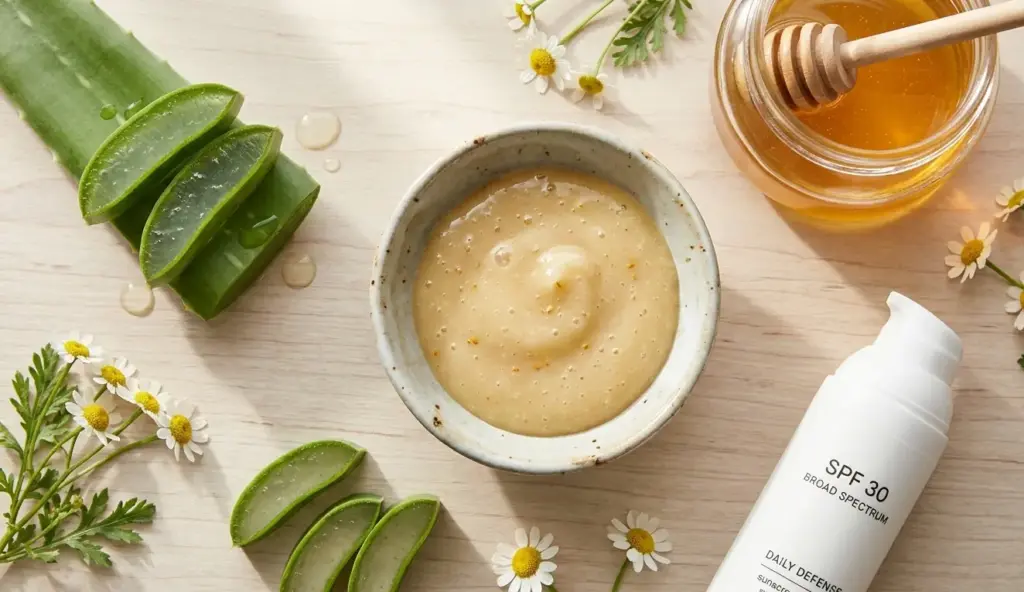
Royal jelly pairs well with soothing ingredients more than harsh ones. Think aloe vera, colloidal oatmeal, honey, or a little glycerin-based moisturizer. Avoid mixing it with lemon juice or baking soda—those DIY shortcuts are famous for irritation, not glow.
- Aloe vera: Helps calm redness and gives royal jelly a smoother texture for masks.
- Honey: Adds humectant support, which can make dry skin look more supple and reflective.
- Yogurt: Offers mild lactic acid action, though sensitive skin should use it carefully and briefly.
- Niacinamide serum: Not a natural kitchen ingredient, but a smart pairing for barrier support and tone balance.
Soothing pairings like aloe enhance tolerance; harsh acids with royal jelly trigger barrier damage.
Lifestyle Changes for Enhanced Skin Health
No brightening ingredient can outwork chronic irritation and UV exposure. Daily sunscreen matters; so does not picking at acne, sleeping enough, and keeping inflammation down where possible. A 2024 Harvard Health review noted that daily broad-spectrum SPF 30 or higher is one of the most important steps for slowing skin aging, while antioxidants such as vitamin C can help brighten skin and reduce the appearance of dark spots. That advice translates directly to anyone trying royal jelly for skin whitening.
DIY Royal Jelly Skin Care Recipes
If you want a simple home option, keep it boring—in a good way. Mix a small amount of royal jelly with aloe gel and apply for 15 minutes, then rinse. Or stir a little into a fragrance-free cream for a short-contact mask. Royal jelly skin before and after changes are more likely when the recipe is gentle enough to use consistently, not when it’s packed with irritating extras.
Frequently Asked Questions about Royal Jelly for Skin Whitening
These quick answers cover the concerns people usually have before trying a bee-derived skin product. Skin type, allergy risk, and storage all matter more than clever marketing copy.
Is Royal Jelly Suitable for All Skin Types?
Not quite. Many people with normal, dry, or combination skin tolerate it well, but sensitive or allergy-prone skin needs extra care. If you have eczema, rosacea, or active dermatitis, patch testing isn’t optional.
Can Royal Jelly Cause Allergic Reactions?
Yes, it can. That risk is higher if you react to bee products, pollen, or have a history of atopy. Stop use right away if you notice itching, swelling, rash, or breathing trouble.
How to Store Royal Jelly for Maximum Efficacy
Keep fresh royal jelly refrigerated and follow the product label. Heat, light, and repeated contamination can degrade quality. Use clean hands or a spatula, and don’t leave the jar open on a warm bathroom shelf.
- Use airtight packaging: Oxygen and moisture exposure can reduce freshness.
- Keep it cool: Refrigeration is usually best for fresh royal jelly products.
- Avoid direct sunlight: Light and heat are a bad combination for delicate natural compounds.
- Check expiry dates: “Natural” products don’t get a free pass on stability.
Have you tried royal jelly for skin whitening—or are you still comparing it with vitamin C, niacinamide, or hydroquinone? Your experience might help someone avoid wasting both money and patience.
So, is royal jelly for skin whitening the right choice for your routine in 2026? The answer lies in managing expectations. It’s not a quick fix or a substitute for clinical treatments for stubborn melasma. However, as a gentle, nutrient-rich ingredient, it holds real promise for supporting a more even, radiant, and healthier-looking complexion over time. The key to success is using it intelligently: always patch test first, pair it with consistent sun protection, and be patient.
Whether you see a dramatic royal jelly skin before and after transformation often depends less on the ingredient itself and more on the health of your skin barrier and the consistency of your entire routine. If you’re looking for a softer, supportive approach to brightening that also nourishes the skin, pure royal jelly for skin whitening is a fascinating and worthwhile ingredient to explore. Just remember, in skincare, slow and steady usually wins the race.
Sources
- The effect of oral treatment of royal jelly on the expression of the PDGF-β gene in the skin wound of male mice — Journal of Tissue Viability, 2023
- The functional property of royal jelly 10-hydroxy-2-decenoic acid as a melanogenesis inhibitor — 2017
- Studies of royal jelly and associated cross-reactive allergens in atopic dermatitis patients — 2020
- Disorders of Facial Hyperpigmentation — Dermatologic Clinics, 2023
- Skin care for aging skin: Minimizing age spots, wrinkles, and undereye bags — Harvard Health Publishing, 2024
- AAD launches Darker Skin Tones resource center — American Academy of Dermatology, 2022