What Does Royal Jelly Taste Like?
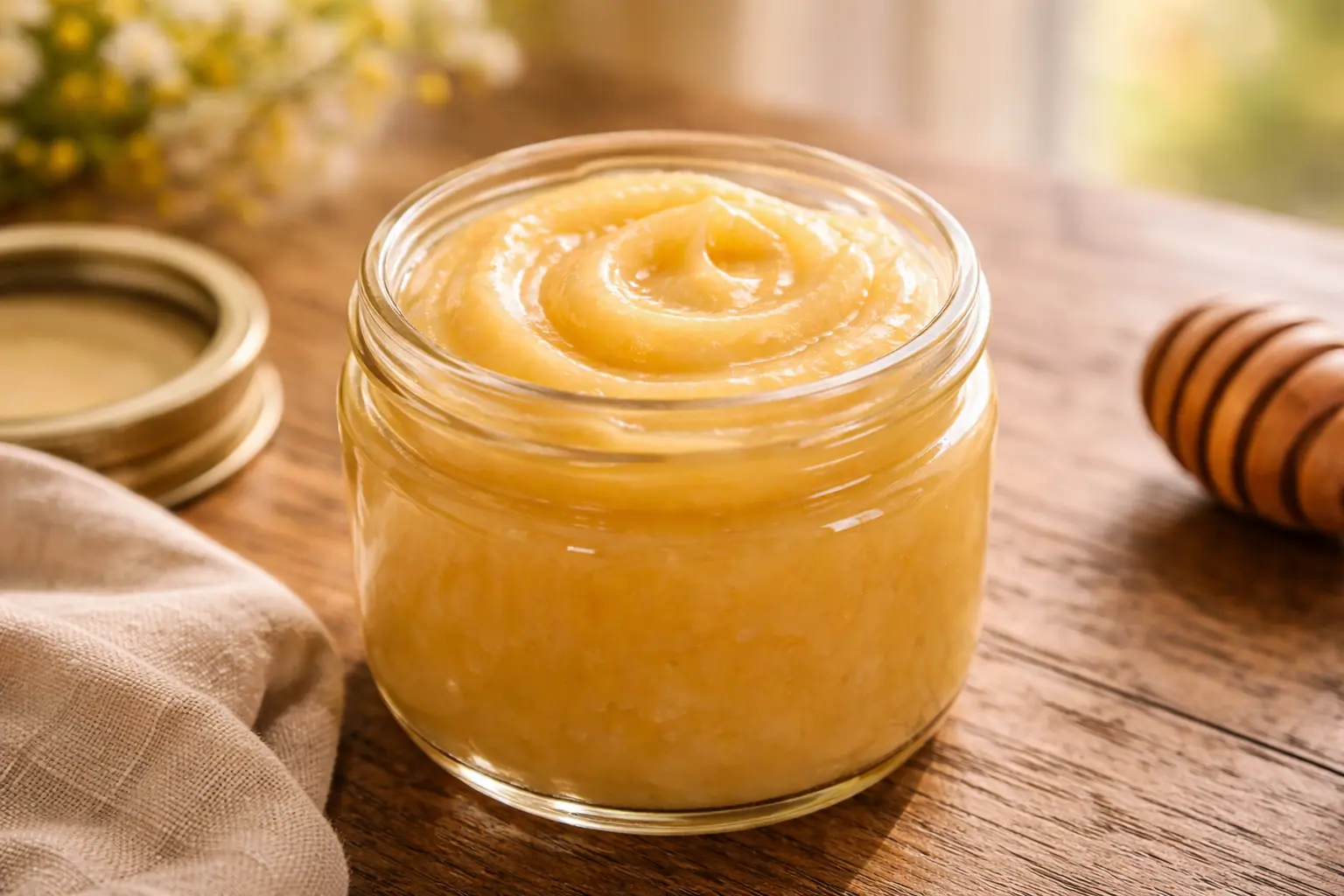
You buy a jar expecting something sweet, then one spoonful hits and suddenly you’re wondering what does royal jelly taste like and whether you made an expensive mistake. That confusion matters more than it sounds in 2026, because fresh royal jelly isn’t cheap, taste drives whether you’ll actually use it, and the wrong expectations lead to wasted money fast. The first surprise is usually the flavor profile: tart, pungent, faintly bitter, and nothing like dessert honey. Texture, aftertaste, and even how you eat it change the experience quite a bit. “Royal jelly tastes closer to a sharp fermented cream than to table honey” is the simplest honest answer.
Royal jelly tastes tart and pungent, not sweet like honey; acidic profile defines authentic flavor.
Understanding Royal Jelly
Before judging flavor, it helps to know what royal jelly actually is and why it tastes so unusual. This section covers its origin, nutritional composition, and the long history behind its use so the taste makes a lot more sense once you put it in context.
Curious about what the real deal tastes like straight from the hive? Most commercial products are blended, but to truly understand what does royal jelly taste like in its raw, unfiltered form, you have to look past the sugar-coated marketing. This video captures a raw, honest first-time reaction that highlights the sharp acidity and unique texture that most people never get to experience.
What is Royal Jelly?
Royal jelly is a milky secretion made by young worker bees to feed larvae and, in larger amounts, the queen bee. It isn’t honey, and that distinction explains a lot. Honey is mainly a sugary nectar product; royal jelly is more like a nutrient-dense bee food with proteins, fatty acids, and organic acids packed inside. So when people ask what does royal jelly taste like, they’re often expecting sweetness first and getting acidity instead. “If you’re curious about the biological secrets behind these substances, you can read more about the specific types of bees that produce this unique secretion to understand the complexity of the hive.”
If you expect honey, you’ll probably dislike your first taste. If you expect a tangy, nutrient-rich bee product with a creamy body and sharp finish, the experience usually feels far less shocking.
- Source: It comes from worker bees’ glands, not from flower nectar storage, so the chemistry starts in a very different place.
- Purpose: Bees use it as a developmental food, especially for queen larvae, which is why it’s so nutrient concentrated.
- Freshness: Fresh royal jelly tastes brighter and more acidic, while capsules mostly remove the sensory drama.
Nutritional Composition of Royal Jelly
The flavor comes from the formula. Royal jelly typically contains water, proteins, sugars, lipids, vitamins, and distinctive fatty acids such as 10-HDA, a compound often used as a quality marker. Those acids and proteins are a big reason the taste leans sour and slightly astringent instead of purely sweet.
A 2024 review in PMC described royal jelly as containing roughly 60–70% water, 9–18% proteins, 7–18% sugars, and 3–8% lipids, a mix that helps explain its creamy texture and tart bite.
10-HDA concentration creates pungency; low-quality batches taste bland or overly sweet.
History and Uses of Royal Jelly
People have used royal jelly for decades in supplements, tonics, skin products, and specialty foods. Japan and other parts of Asia helped popularize it as a functional food, while Western buyers often encounter it through wellness stores and beekeepers. The history matters because taste preferences are learned; in places where it’s familiar, the question does royal jelly taste good gets a different answer than it does from a first-time buyer in the United States.
“The dose makes the poison.” – Paracelsus, physician and scholar, often cited in toxicology literature
That old line isn’t about flavor, obviously, but it fits usage well: a tiny amount of royal jelly can taste intriguing, while a large spoonful can feel like too much, too fast.

The Taste Profile of Royal Jelly
Now for the part most people actually care about: the sensory hit. Flavor, texture, and aftertaste all work together here, and royal jelly tends to make a stronger first impression than most bee products.
Initial Taste Impressions
So, what does royal jelly taste like on the first bite? Usually sour first, then sharp, then faintly sweet in the background. Some people notice a yogurt-like tang; others get a medicinal note, almost like a mix of honey, pollen, and a mild acidic tonic. Fresh royal jelly can also feel slightly peppery at the edges of the tongue.
And no, that isn’t unusual. Food science reviews on bee products often describe royal jelly as tart, sour, and slightly bitter, which lines up with what many first-time tasters report.
Texture and Consistency
The texture catches people off guard almost as much as the taste. Fresh royal jelly is usually thick, smooth, and gelatinous—somewhere between soft custard, loose cream cheese, and a dense emulsion. It coats the mouth. That’s part of why what does royal jelly taste like to eat can feel different from just asking about flavor alone; texture changes perception.
If it’s freeze-dried and packed into capsules or powder, that creamy density mostly disappears. In practice, people who dislike the raw texture often do much better with blended forms.
Fresh royal jelly tastes brighter and sharper; freeze-dried powder loses sensory intensity.
| Primary taste | Tart, acidic, mildly bitter | Sweet, floral, mellow |
| Texture | Creamy, gelatinous, dense | Viscous, syrupy, smooth |
| Aftertaste | Pungent and lingering | Clean and sugary |
| Sweetness level | Low to moderate | High |
| First-time reaction | Often surprising | Usually familiar |
The table makes the big point obvious: royal jelly and honey may come from bees, but they land in the mouth like distant cousins, not twins.
Aftertaste and Lingering Flavors
The aftertaste is where opinions split. Some people get a fermented-dairy note, others a resinous bitterness, and some notice a faint metallic or medicinal tail. That’s why does royal jelly taste good isn’t a simple yes-or-no question. The first second and the last ten seconds can feel like two different foods.
- Tang: Often the first lingering note, similar to unsweetened yogurt or kefir, though usually sharper.
- Bitterness: Mild for some batches, stronger in others, especially when quality or storage varies.
- Floral trace: A light honeyed finish sometimes appears, but it rarely dominates the profile.
Comparing Royal Jelly to Other Tastes
People rarely describe royal jelly in isolation; they compare it to foods they already know. That helps, up to a point, because royal jelly overlaps with honey, pollen, and fermented foods while still keeping a very distinct identity.
It’s easy to get swept up in the health claims surrounding bee products, but when you actually crack open a jar for the first time, you’re in for a surprise. You might be wondering, what does royal jelly taste like? To give you a better idea of what to expect, check out this quick taste test that breaks down the reality behind the marketing
Does Royal Jelly Taste Like Honey?
Does royal jelly taste like honey? Not really. Honey delivers floral sweetness; royal jelly delivers acidic tang with bitter finish. There may be a faint sweetness in the background, but honey is rounder, softer, and much more sugar-forward. Royal jelly is tangier, more acidic, and often carries a savory or bitter edge that honey simply doesn’t.
If someone asks what does royal jelly taste like reddit threads often answer with some version of “not honey at all,” and that part is fair. The bee connection creates the wrong expectation.
Similarities with Other Bee Products
Royal jelly does share a few traits with other bee products. Like bee pollen, it can feel earthy and nutrient-dense. Like propolis, it may have a faint medicinal sharpness. Like honey, it sometimes leaves a floral echo. But the balance is different—acidity leads, sweetness follows behind.
- Compared with bee pollen: Royal jelly is creamier and more sour, while pollen feels granular and earthy.
- Compared with propolis: Royal jelly is less resinous but still carries a medicinal edge in some batches.
- Compared with honeycomb: It lacks the waxy sweetness and gives a much brighter acidic hit.
Unique Characteristics of Royal Jelly
Here’s the catch: there isn’t a perfect comparison. Royal jelly has a strange little blend of sour dairy, botanical sharpness, and faint bitterness that doesn’t fully match any pantry staple. Batch variation also matters. Floral source, processing, storage, and freshness can shift the taste from merely tart to aggressively pungent.
Judge royal jelly by form, not by name alone. Fresh, frozen, freeze-dried, and blended products can taste different enough that one version may work for you while another absolutely won’t.

Does Royal Jelly Taste Good?
This is where taste gets personal fast. Some people genuinely enjoy the sharp, almost tonic-like character, while others need a chaser. Preference depends on habit, expectations, and how sensitive you are to bitter or acidic foods.
Subjective Taste Preferences
Does royal jelly taste good? Yes, for some people—but usually not in the same easy way honey tastes good. Fans often like kombucha, kefir, dark greens, or herbal tonics already. If your palate leans sweet and mild, royal jelly may feel abrasive at first.
Fermented-food enthusiasts enjoy sharpness; sweet-palate users reject acidity immediately.
Most people don’t fall in love instantly. They either warm up to it after a few tries or switch to capsules and skip the debate.
Common Descriptive Terms
When people try to explain what does royal jelly taste like, a few words show up again and again: sour, tart, creamy, pungent, bitter, acidic, earthy, medicinal. None is perfect by itself. Together, though, they paint a pretty honest picture.
A 2023 systematic review of royal jelly in the Journal of the Saudi Pharmaceutical Society noted that composition varies by geography and source, which helps explain why taste descriptions aren’t perfectly consistent from product to product.
Cultural and Regional Taste Differences
Taste isn’t just on the tongue; it’s learned through culture. In markets where fermented, sour, or tonic-like foods are common, royal jelly may seem intense but normal. In places where bee products are expected to be sweet, the same spoonful can feel jarring.
“Flavor is a product of both our genes and our experience.”- Gordon M. Shepherd, neurobiologist, Neurogastronomy: How the Brain Creates Flavor
That idea fits royal jelly perfectly. Your biology matters, but so does what you’ve spent years eating.
Geographic origin shifts flavor profile; standardized processing creates consistent taste.
How to Eat Royal Jelly
Even if the taste is challenging, the way you serve royal jelly can soften the blow. This section covers practical methods, better pairings, and simple recipe ideas that make the whole experience easier and, honestly, more pleasant.
Consumption Methods
Fresh royal jelly is often taken straight off a spoon, usually in small amounts because the flavor is concentrated. But that’s not your only option. If you’re asking what does royal jelly taste like to eat because the raw version feels too intense, blending is the smarter move.
- Start tiny. Use a pea-sized amount the first time, not a heaping spoonful. Your palate adjusts better when the sourness arrives in a controlled hit.
- Take it chilled. Cold royal jelly often tastes cleaner and slightly less pungent. Warm product can smell stronger and linger longer.
- Try it under the tongue or swallow quickly. Some people let it dissolve; others chase it with water. Both approaches work, but quick swallowing reduces the aftertaste.
- Blend with a familiar food. Yogurt, smoothies, or a spoon of honey can make the profile much friendlier. This is the easiest option for beginners.
- Switch forms if needed. Capsules and freeze-dried powders remove much of the sensory intensity. If raw royal jelly isn’t for you, that doesn’t mean the supplement category is off the table.
Pairing Royal Jelly with Other Foods
Some pairings help because they absorb the sourness; others just fight with it. Thick, mildly sweet foods usually win. Sharp citrus on top of royal jelly? Usually too much. Creamy dairy or fruit, on the other hand, can round the edges.
- Honey: The classic pairing. It softens acidity and answers the common question does royal jelly taste like honey by showing the contrast directly.
- Yogurt: Works well because the tang feels intentional instead of strange.
- Banana or mango: These fruits add body and sweetness without overpowering the bee-product notes.
Yogurt pairing normalizes tanginess; honey pairing masks acidity with sweetness.
Royal Jelly in Recipes
Royal jelly isn’t a cooking superstar, mostly because heat and strong flavors can make it feel wasted. Still, you can use small amounts in cold recipes. Think smoothie bowls, yogurt cups, chilled tonic shots, or honey-based spreads.
Keep royal jelly recipes cold and simple. If you bury it under ten strong ingredients, you won’t learn whether you actually like it—you’ll only learn that sugar can hide anything.
Trying royal jelly is a unique sensory experience, but it often leaves new users wondering exactly what to expect from such a potent bee product. To help you track how your palate reacts as you discover what does royal jelly taste like and ensure you maintain a consistent dosage, we’ve created a simple, printable tracking sheet. Use this to record your daily intake and note which pairings work best for you.
Personal Experiences and Opinions
Not every answer comes from a lab or a label. Real-world reactions are messy, sometimes funny, and often more useful than polished marketing copy when you’re trying to decide whether to try royal jelly yourself.
What Does Royal Jelly Taste Like to Eat?
What does royal jelly taste like to eat in plain terms? Most people say the first moment is sour and creamy, the middle is dense and slightly floral, and the finish can turn bitter or medicinal. That’s why chewing on expectations matters less than trying a tiny amount in the form you’ll actually use.
If you’re texture-sensitive, raw royal jelly may feel heavier than expected. If you’re flavor-sensitive, the aftertaste will probably be the bigger issue.
Insights from Reddit and Online Forums
When people search what does royal jelly taste like reddit, they’re usually looking for blunt honesty. Forum-style descriptions tend to be more candid than product pages: “sour,” “weirdly creamy,” “not like honey,” “kind of fermented,” and “better mixed into something” show up a lot. That’s anecdotal, sure, but the pattern is consistent.
And that consistency matters. Independent comments from different users often land on the same trio: tart, pungent, slightly bitter.
Common Reactions and Reviews
Most reactions fall into three camps. Some people enjoy the sharp health-tonic vibe right away. Some tolerate it for the perceived benefits. Others try it once and decide capsules are the only sane path forward.
- Positive reviewers: They often describe it as invigorating, bright, or pleasantly tangy once they get used to it.
- Mixed reviewers: They may say does royal jelly taste good depends entirely on what it’s mixed with.
- Negative reviewers: They usually expected honey and felt blindsided by the acidic finish.
A 2021 metabolomic study published in Heliyon found substantial variation in royal jelly chemical profiles across samples, which supports why user reviews can differ so much even when buyers think they’re discussing the same product.

Benefits and Considerations
Taste is only one part of the buying decision. People also want to know whether royal jelly offers meaningful benefits, who should be cautious, and how to choose a product that isn’t low-quality, mishandled, or badly labeled.
Health Benefits of Royal Jelly
Royal jelly is often marketed for general wellness, and research interest remains active. Lab and animal studies suggest antioxidant, anti-inflammatory, and microbiome-related effects, but human outcomes still vary and product quality makes comparison tricky. So yes, there are promising signals—just not a license to expect miracles.
According to the NIH LiverTox monograph, royal jelly is generally well tolerated in studies, though claimed benefits haven’t been conclusively established for many marketed uses.
Potential Allergies and Precautions
This part matters more than flavor. Royal jelly can trigger allergic reactions, especially in people with asthma, atopic conditions, or sensitivities to bee products. Rare reactions have included severe symptoms, so first-time use should be cautious.
- Bee-product allergy: If honey, propolis, or pollen has caused symptoms before, don’t assume royal jelly will be different.
- Asthma history: Some reports suggest higher risk in sensitive individuals, so extra care makes sense.
- Product blends: “Royal” products online may contain other ingredients, including stimulants or undeclared additives in unrelated supplement categories.
One more practical note: the FDA has warned consumers about certain “Royal Honey” products adulterated with undeclared drug ingredients. That’s not the same thing as pure royal jelly, but it is a reminder to buy carefully and read labels without daydreaming.
Where to Buy Quality Royal Jelly
Look for refrigerated fresh royal jelly when buying raw form, or clearly labeled freeze-dried capsules if taste is your enemy. Reputable beekeepers, specialty apitherapy shops, and transparent supplement brands are usually better bets than vague marketplace listings. Check harvest or production dates, storage instructions, country of origin, and whether the product lists 10-HDA or other quality details.
Medicinal bitterness signals potency; cloying sweetness indicates dilution or adulteration.
For related reading, you might also explore pure royal jelly benefits, how to take royal jelly, and royal jelly vs honey.
If you’ve tried it, here’s a better question than whether it was good or bad: did you taste more tang, more bitterness, or more honey-like sweetness?
FAQ
What is royal jelly?
Royal jelly is a nutrient-rich secretion made by worker bees to feed larvae and the queen. Unlike honey, it is creamy, acidic, and far less sweet, which is why what does royal jelly taste like has such a surprising answer for first-time buyers.
How to eat royal jelly if you dislike the taste?
Start with a very small chilled amount, then mix it into honey, yogurt, or a smoothie. If what does royal jelly taste like to eat still feels too intense, capsules or freeze-dried powder are usually easier.
Is it true that royal jelly tastes like honey?
No, royal jelly does not taste like honey in most cases. If you’re asking does royal jelly taste like honey, the honest answer is that it may have a faint sweetness, but the dominant notes are tart, creamy, and slightly bitter.
Royal jelly vs honey: which tastes stronger?
Royal jelly tastes much stronger to most people. Honey is sweeter and more familiar, while royal jelly has a sharper acidic profile and a longer aftertaste.
Where to buy quality royal jelly?
Buy from reputable beekeepers, specialty wellness retailers, or transparent supplement brands that provide storage details, origin information, and clear labeling. Fresh raw royal jelly should usually be refrigerated, and that’s a good quality signal to watch for.
Sources
- Royal Jelly: Biological Action and Health Benefits — PMC review, 2024
- Royal jelly a promising therapeutic intervention and functional food supplement: A systematic review — Journal of the Saudi Pharmaceutical Society, 2023
- Metabolome analysis and chemical profiling of Indonesian royal jellies — Heliyon, 2021
- Royal Jelly – LiverTox — NCBI Bookshelf, updated 2022
- Recent advances and opportunities related to the use of bee products in food processing — PMC review, 2023
- Public Notification: Royal Honey contains hidden drug ingredient — FDA, 2021
- Neurogastronomy: How the Brain Creates Flavor — Gordon M. Shepherd, 2012